Own the tax conversation, own the client

Table of Contents
Most brokers treat a client’s tax debt as a problem to route around. Spot it, flag it, hope the deal survives it. I want to make the case for the opposite. The tax conversation is the one you should be running toward, because the broker who owns it is the broker that client keeps calling.
Start with the size of it. There is $54.6 billion in collectable ATO debt, two-thirds of it sitting with small business. Those are your clients, and they still need finance. So this is not a niche problem you’ll meet once a year. It is in your book now, whether you’ve named it or not, and it behaves in a way that should worry any broker who likes certainty. I can’t tell you how many have come to us sure a deal was clear, only to find a tax position underneath it nobody had flagged, because everyone assumed settlement would come first. That’s the one that gets you, because you’re not the one watching the ATO. It’s simply relentless about collecting, on a clock you can’t see from the outside.
And the stakes just went up. GIC, the interest the ATO charges on tax debt, stopped being deductible on 1 July 2025, so it now compounds with nothing coming back at tax time. A debt that was an irritation eighteen months ago is a real cost today. The Tax Ombudsman’s first snapshot shows complaints up 127%, and nothing in the Budget suggests the ATO is easing off. If a client of yours is carrying tax debt into 30 June, their position is worse than it was the last time you looked, and they probably don’t know it.
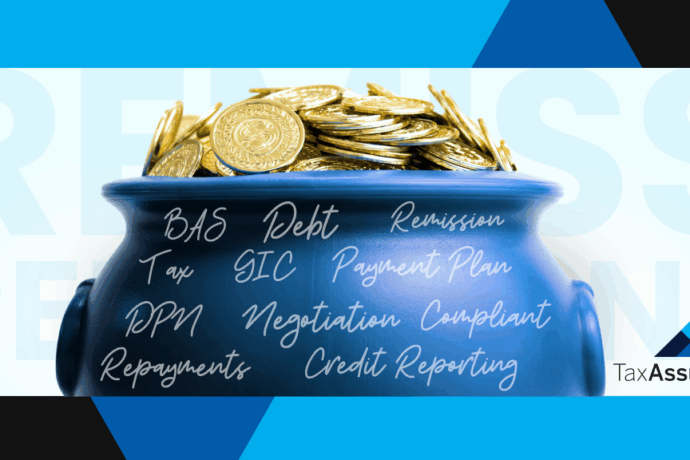
Here is why that’s an opportunity rather than a threat. A tax debt almost never has to kill a deal. The damage comes from the four actions that arrive without warning, the Director Penalty Notices, credit reporting, garnishees and winding-up proceedings, and from leaving a client exposed to them. But a payment plan takes that off the table, because lenders don’t need the debt cleared, they need the client compliant. Get the plan in place and the ATO is inside the tent, enforcement stops, and the deal proceeds. The broker who knows that walks into a tax conversation with a solution instead of a wince, and writes the deal a more nervous competitor walked away from.
This is the bit I want you to mentally underline: doing it properly is not the same as doing it. A self-serve payment plan set to terms a business can’t hold simply defaults, and now the client is worse off than before, with a broken arrangement on their ATO file for the next negotiation. What we put together is built around the business, terms of up to three years mapped to its real cash cycle, on a case the ATO will accept. Remission of interest and penalties is harder to win than it was, but where the grounds are there we pursue it. The point is that the outcome depends entirely on the case being made well and made early. In twelve years I can’t think of one client of ours who has ever needed the Ombudsman. That isn’t luck. It’s getting into the detail with the ATO from the start, before a manageable position hardens into an expensive one.
So the question for you isn’t whether your clients have tax debt. Some of them do. It’s whether you want to be the broker who spots it early and brings in the right people, or the one explaining to a client why their settlement fell over. The first keeps the relationship. Trust brings trust: solve the hard thing once and you’re not their broker for this deal, you’re their first call for the next one.
Here is what to do with it. If a client has tax debt and a deal in the next few months, ask the two questions now, are they compliant and are they in a plan. If the answer is no, that is a deal at risk and a conversation worth having today. Send it to us with the rough debt amount and where the finance is up to, and we’ll come back quickly on whether it stacks and what it takes to protect it. There’s no cost to look.
About Tax Debt Corner: We’ve teamed up with CAFBA to make conversations about tax debt more practical, accessible and relevant for brokers on the ground.